

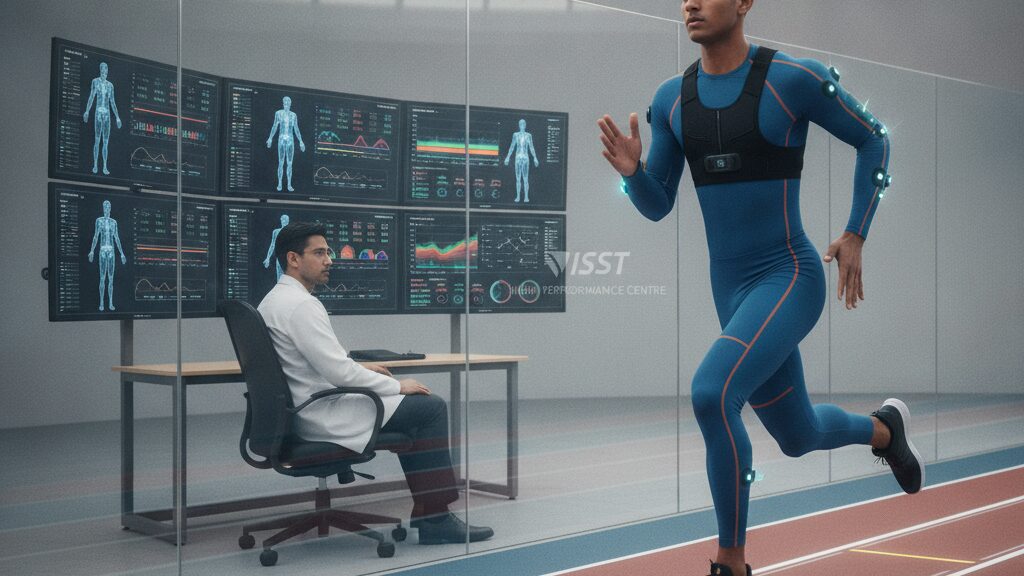
TL;DR
/ Key Takeaways
● Dual Value: In sports, "PR" stands for both milestone tracking (Personal Record) and personal brand expansion (Public Relations).
● Data-Driven Growth: Tracking performance baselines optimizes progressive overload and prevents premature overtraining.
● Brand Longevity: Athlete-driven storytelling builds direct audience engagement beyond immediate game-day performance.
Modern
athletic success relies just as heavily on precise metric tracking as it does
on clear digital storytelling. Whether pushing for a heavier back squat or
securing commercial sponsorships, athletes leverage performance data and public
branding to build sustainable careers.
Understanding
how to set, track, and communicate your athletic milestones transforms
individual workout routines into long-term fitness victories.
What Is a PR in Sports and Fitness?
In
training, a PR marks an athlete's highest recorded achievement in a specific
metric, such as maximum weight lifted, fastest mile pace, or total rep volume.
It establishes an objective baseline used to measure physical progression over
a structured training block.
Tracking
milestone benchmarks ensures that lifters and endurance runners apply
progressive overload without risking premature exhaustion. For athletes looking
up gym terminology and athletic acronyms, discovering the PR full form—Personal
Record—helps separate training metrics from public communication strategies in
competitive sports.
3 Ways Tracking PRs Elevates Athletic Training
Systematic
tracking transforms subjective workout effort into measurable physical gains.
1. Guiding Progressive Overload Principles
Tracking
baseline lifts allows coaches to calculate exact percentage loads for daily
training sessions.
Instead
of guessing working weights, athletes base their working sets on verified
numbers, reducing central nervous system fatigue while driving hypertrophy.
2. Providing Objective Psychological Feedback
Hitting
a measurable milestone provides tangible proof of physical adaptation during
strenuous training blocks.
Seeing
concrete progress on paper helps athletes push through mental plateaus when
physical exhaustion sets in during peak competition phases.
3. Preventing Overtraining and Structural
Injury
Monitoring
record attempts prevents athletes from jumping to unsafe weights before their
tendons and joint structures adapt.
Structured
progression ensures strength gains remain steady rather than risking acute
muscle tears through ego lifting.
|
Athletic Discipline |
Common PR Metric |
Primary Training Focus |
|
Powerlifting |
1-Rep Max (1RM) |
Maximal neuromuscular strength. |
|
Marathon Running |
Split Time / Course Pace |
Aerobic threshold and pacing efficiency. |
|
CrossFit / Hyrox |
Workout Completion Time |
Work capacity and metabolic conditioning. |
The Role of Public Relations in Modern Athletic
Careers
Beyond
the weight room, managing public relations (PR) allows competitive athletes to
monetize their accomplishments and engage direct fanbases.
Building Authentic Athlete Brands
Transparently
sharing training logs, competition preparation, and recovery struggles builds
trust with fitness audiences.
Supporters
resonate with genuine athletic journeys, turning personal performance
milestones into compelling social media narratives.
Securing Sponsorships and Brand Partnerships
Sponsors
look for disciplined athletes who combine consistent performance gains with
professional public communication.
A
well-managed personal brand secures long-term commercial partnerships that
support full-time training, coaching, and equipment expenses.
Frequently Asked Questions (FAQ)
What is the difference between a PR and a PB?
PR
(Personal Record) and PB (Personal Best) mean the exact same thing; PR is
predominantly used in North America, while PB is widely used in global track
and field.
How often should an athlete attempt a new 1-Rep
Max PR?
Attempting
maximal lifts should occur sparingly—typically every 8 to 12 weeks at the end
of a dedicated periodization block—to allow proper recovery.
Why is public relations important for amateur
athletes?
Effective
public outreach helps amateur athletes secure local business sponsorships, fund
tournament travel, and build personal coaching businesses.
Conclusion
Mastering
your personal records provides the structural blueprint for physical strength,
while building a strong personal presence opens commercial opportunities across
the fitness industry. Balancing data-driven training with authentic public
engagement empowers modern athletes to excel both inside and outside the gym.



0 Comments